
imtoken multi-chain wallet
Manage Multi-chain Assets and Connect to Web3 with Clarity
A multi-chain wallet, blockchain network and Web3 knowledge hub from imtoken
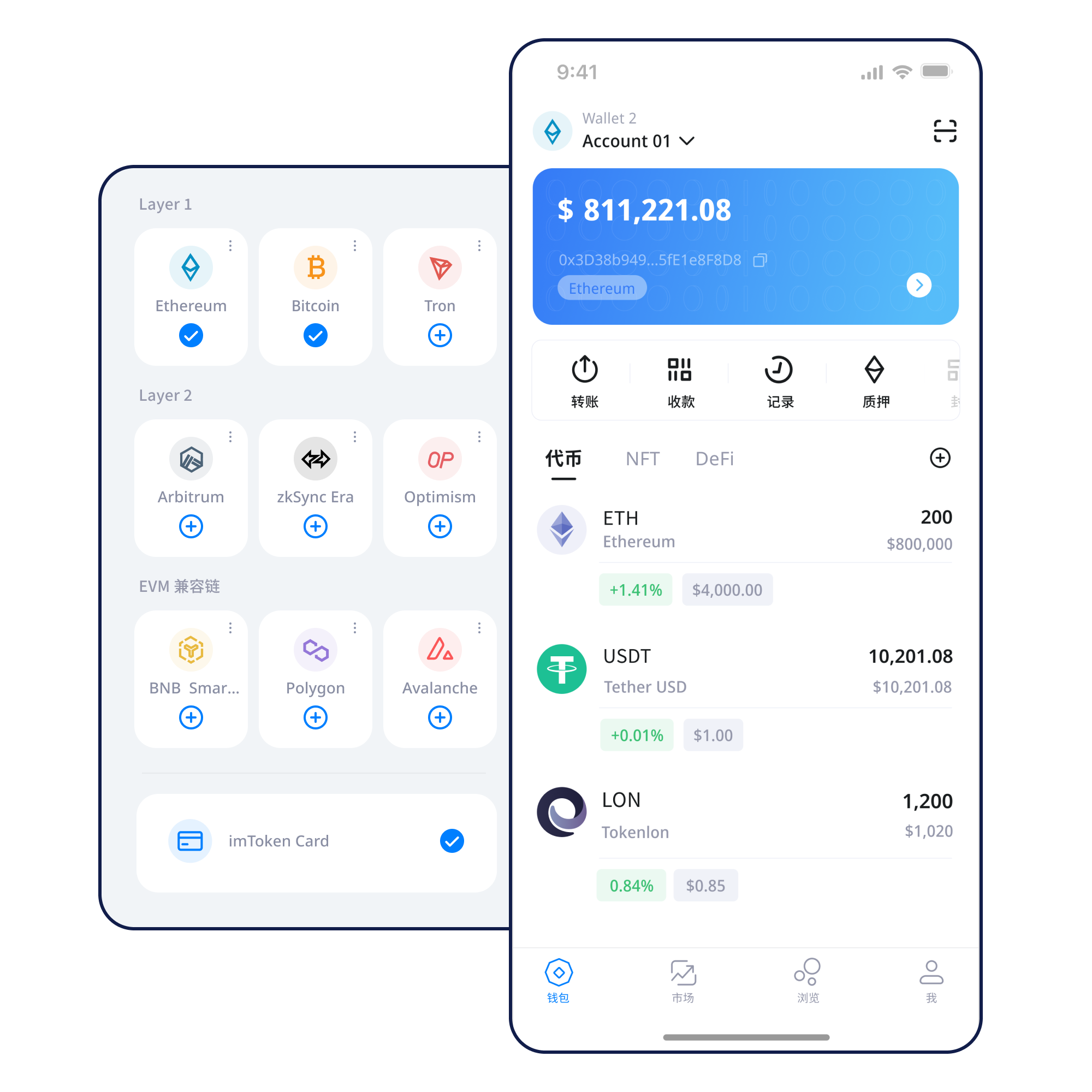
Understand multi-chain assets, network selection, sending and receiving, DApp connections, token approvals, blockchain concepts, and wallet security through one clear information path.
Start with a task
What do you want to do?
Back Up a Wallet
Keep recovery material offline and away from websites, chats, and shared devices.
Read guide →Receive Assets
Match the receiving address with the intended network before asking another party to send.
Read guide →Connect to a DApp
Confirm the domain, account request, signature, and approval scope independently.
Read guide →Wallet capabilities
Understand the wallet capabilities that matter
Multi-chain assets
Network identity, address context, and confirmation rules matter before similar-looking assets are treated as interchangeable.
Explore multi-chain →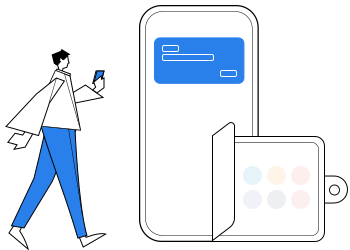
Send & Receive
Treat address, network, amount, gas, and transaction hash as separate checkpoints.
Transaction guide →imtoken APP
Mobile access to networks, assets, records, and DApp interactions.
imtoken Web
Browser connections expose account requests and approval decisions without replacing the user’s own review.
Learn about Web access →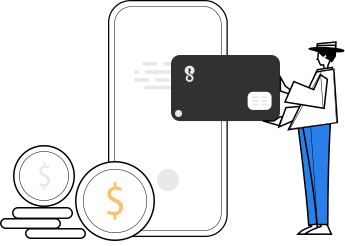
Wallet security
Keep recovery secrets offline, reduce unnecessary permissions, and verify every request.
Understand the network before the asset
A multi-chain wallet can display assets from several networks, but each network keeps its own execution and confirmation context.
Blocks, nodes, and confirmations
Public chains use distributed nodes and protocol rules to order and confirm transactions.
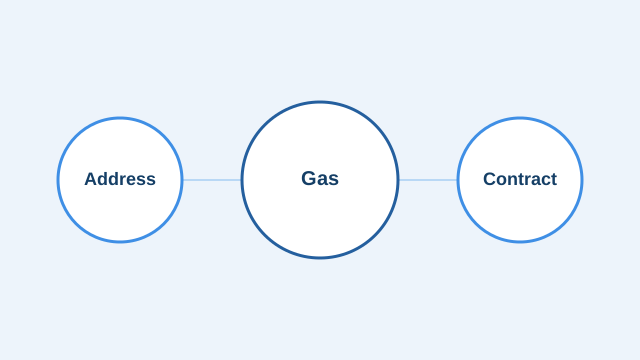
EVM does not make every network identical
Gas assets, bridges, finality assumptions, and operational risks can still differ across EVM-compatible networks.
Know which layer holds the asset
Moving assets between layers can add waiting periods and contracts to review.
GasTx HashBlockConfirm
Read transaction state, not just the fee
The transaction hash connects fees, execution, blocks, and confirmation state.
Wallet journey
Six practical steps
- 01
Get imtoken
Use the official download entry and keep the device environment clean.
- 02
Create or import a wallet
Understand what controls recovery before continuing.
- 03
Back up offline
Keep seed phrases offline and never disclose private keys.
- 04
Select and verify the network
Match the network with the intended asset and destination.
- 05
Receive or send assets
Check the address, amount, fee, and asset type.
- 06
Review transactions and approvals
Inspect transaction hashes and revoke permissions you no longer need.
Web3 & DApp
A wallet connection is not blanket consent
Treat each connection, signature, and approval as a separate decision. Confirm the domain and account access first, then inspect any signature or token allowance.
Connecting a wallet does not mean every signature request should be accepted. Review each signature and approval independently.
Open Web3 guide →- 1Visit the DApp
- 2Confirm the domain
- 3Start connection
- 4Review account request
- 5Check signature or approval
- 6Complete the action
- 7Disconnect unused sessions
Security
Build a repeatable security routine
Protect recovery secrets, recognize suspicious requests, limit approvals, and check every transaction before it becomes final. No wallet can promise absolute security or guarantee private-key recovery.
Open Security Center →- Back up seed phrases offline
- Never disclose private keys
- Verify network and address
- Review signature requests
- Manage DApp approvals
Academy
What Should You Understand Before Using a Digital Wallet?
Learn addresses, seed phrases, private keys, networks, gas, transaction hashes, DApps, and approvals as connected ideas rather than isolated terms.
Read the beginner guide →Ethereum
Ethereum Staking Basics
Ethereum PoS uses validators for block proposal and attestation. Rewards can change, exits may involve waiting, and validators can face network penalties.
Learn the basics →Before participating
Risk belongs in the decision
Staking does not guarantee returns. Smart contracts, third-party services, validators, waiting periods, and digital asset prices all introduce risk.
PoS & Validators →Updates
Product, security, and network updates in one place
FAQ
Questions to answer before confirming
What is a digital wallet?
A digital wallet helps manage blockchain accounts controlled by private keys. The interface can show addresses, balances, and transactions, while the underlying state is recorded by the relevant blockchain network.
How are a seed phrase and a private key different?
A seed phrase can commonly restore a set of wallet accounts, while a private key directly controls a particular account. Both are sensitive and should never be shared or entered into an untrusted site.
Why should I verify the network?
The same asset name can exist on multiple networks, and address formats may look similar. Verifying the intended network before sending helps reduce routing mistakes.
What is gas?
Gas refers to the computation cost associated with blockchain transactions or contract execution. The actual fee can change with network conditions and transaction complexity.
What is a transaction hash for?
A transaction hash is an identifier used to locate an on-chain transaction in a block explorer and inspect broadcast, confirmation, or failure status.
Does connecting to a DApp approve my assets?
No. Connection requests, message signatures, transaction signatures, and token approvals are separate actions and should be reviewed independently.
Are signature requests always safe?
No. A signature may be a login message or may relate to more consequential permissions. Review the domain, request text, and context before signing.
What is a token approval?
A token approval allows a specified contract to act on a token within an allowance. Review the target and amount, and consider revoking approvals that are no longer needed.
imtoken
Start with the official download entry
All download buttons use the same page so device handling remains isolated from content pages.